Monday, June 15, 2020

Strengthening concrete column reinforced with carbon fiber wrap

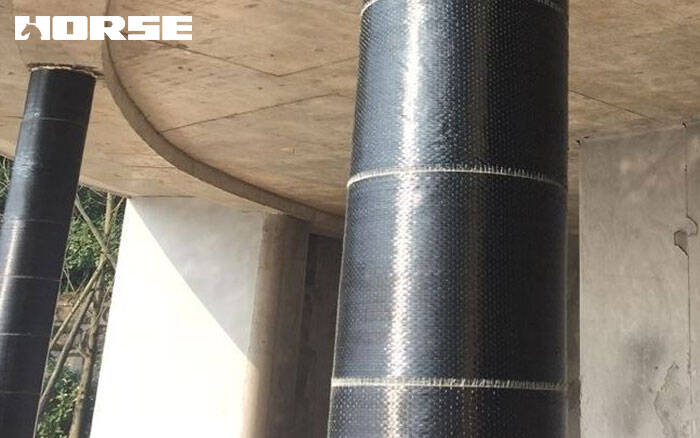
wrap column by carbon fiber
column reinforced with carbon fiber wrap


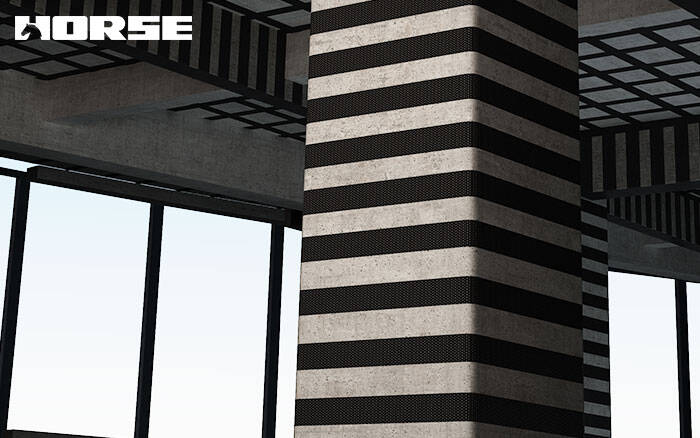
column wrap by carbon fiber fabric
column reinforced with carbon fiber wrap


Since most of the engineering building structures use reinforced concrete columns as their primary load-bearing form, it has practical engineering significance for their reinforcement research.


Technical characteristics of reinforced concrete column with carbon fiber wrap


First, the characteristics of carbon fiber materials. 

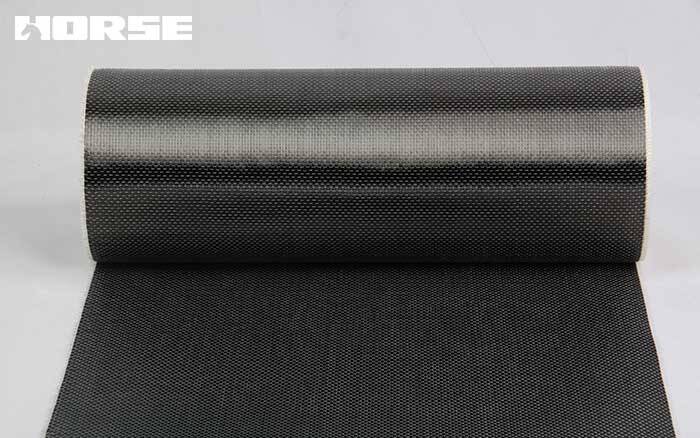
Carbon fiber wrap has small thickness, light weight, good flexibility, acid and alkali resistance, high temperature resistance, fatigue resistance and creep resistance. It can meet the requirements of bending, compression and earthquake resistance, and at the same time can resist the corrosion of various acids, alkalis and salts that the reinforced column is often subjected to. Carbon fiber wrap forms a second protective layer on the surface of the concrete column, which enhances the durability of the concrete. It has little effect on increasing the weight of the column and the cross-sectional size, and meets the appearance requirements of the reinforcement.


Secondly, in terms of stress characteristics.

Carbon fiber wrap has high tensile strength and is easy to bond well with the concrete surface. After transversely surrounding the column, the stress state of the concrete is changed from two directions to three directions, becoming constrained concrete, which has been greatly improved in both bearing capacity and ductility


Finally, engineering application.

It has the characteristics of non-destructive reinforcement of the original structure, easy construction and easy guarantee of construction quality. Unlike other reinforcement methods, carbon fiber wrap reinforces the entire construction process without large machines and wet operations, does not require a large number of fixed safeguards, and has a small occupation rate and high work efficiency. In terms of reinforcement quality, even if the surface of the reinforcement member is not flat, due to the flexibility of the carbon fiber wrap material, the adhesion efficiency can be guaranteed, and the maintenance cost of the investment in the later period is lower and the service life is longer.

Tuesday, June 9, 2020

Carbon fiber wrap for structural reinforcement technology

Carbon fiber reinforced polymer


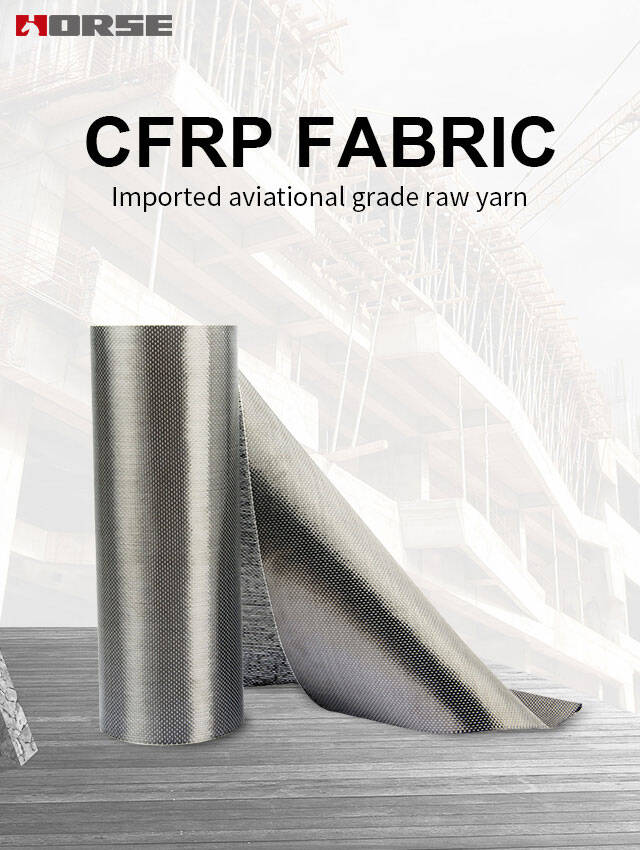
Carbon fiber structure reinforcement technology refers to the use of high-performance adhesives to paste carbon fiber wrap on the surface of building structural members, so that the two work together. Improve the load-bearing capacity of components (bending, shearing), so as to achieve the purpose of strengthening the building. Carbon Fiber Reinforced Polymer (CFRP), also known as Carbon Fiber Reinforced Plastic, is made of epoxy resin with high tensile strength carbon fiber bundles. Carbon fiber wrap is a widely used product.


The use of carbon fiber wrap reinforcement has the following advantages: high strength and good effect. After reinforcement, the corrosion resistance and durability of the structure are greatly improved. Light weight, basically does not increase the structure weight and cross-sectional size. Good flexibility, easy to cut, wide range of application; convenient construction, easy to operate, and good economy. The construction period is short.


The main performance indexes of carbon fiber wrap for structural reinforcement are shown in the table
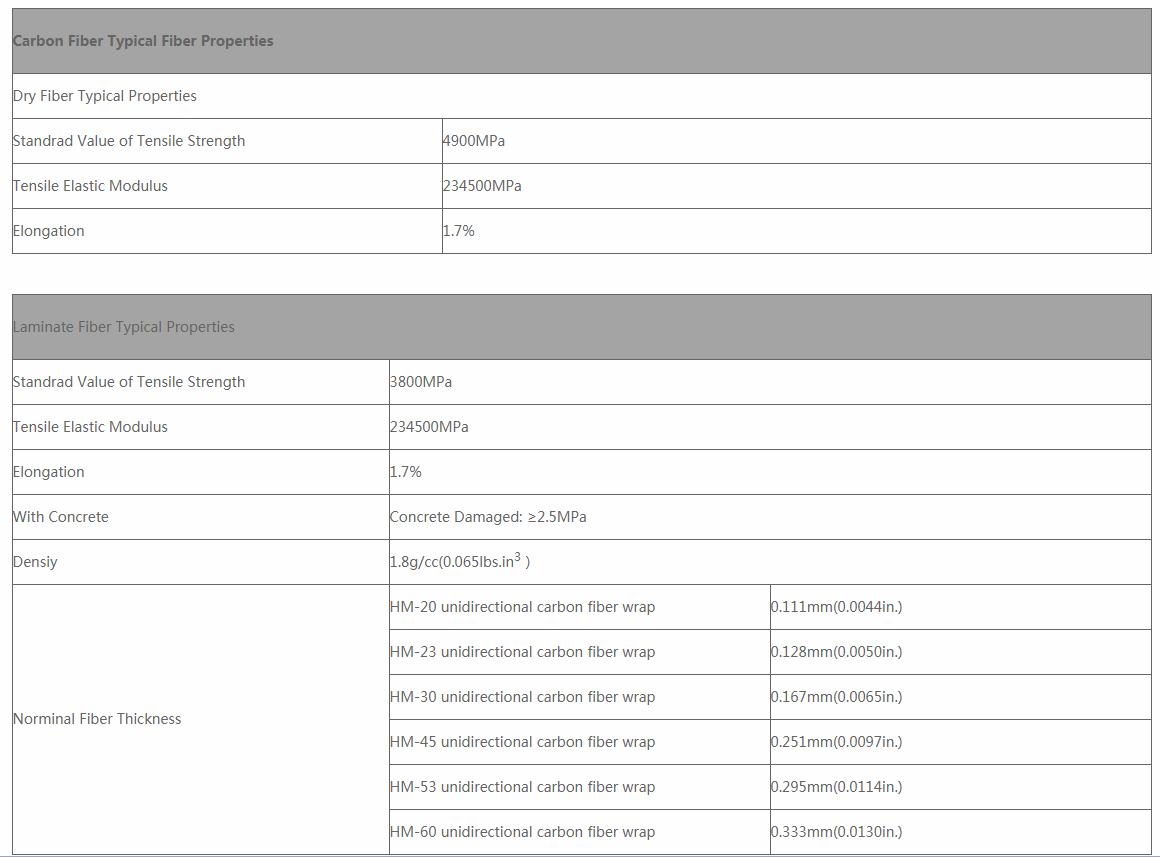

horse carbon fiber cloth for structural reinforcement


The durability of reinforced concrete with carbon fiber 


After the introduction of carbon fiber wrap reinforcement technology in my country, its application in civil construction structures, especially the reinforcement and repair of concrete structures, has developed rapidly. Moreover, the durability of concrete structures reinforced with carbon fiber wrap has attracted more and more attention. The carbon fiber wrap reinforcement method adopts a specific method to arrange continuous carbon fibers unidirectionally to form a reinforcing reinforcement material, and uses a two-component epoxy resin to adhere to the outer surface of the treated structural member to improve the structural function.


At present, the construction of carbon fiber reinforced and repaired concrete structures applied in China basically adopts a three-step method, that is, on the basis of the base treatment, the base resin with different properties and functions, the leveling material, and the impregnating resin are used to paste the carbon fiber wrap on the surface of the concrete. After the resin is cured, it can improve the load-bearing capacity of the component, improve the form of stress, improve the performance or anti-corrosion. Based on this construction method, the bonding interface performance of various materials is crucial. The durability of the reinforced concrete structure with carbon fiber wrap mainly depends on the durability of the carbon fiber wrap material and the durability of the bonding interface with the concrete.
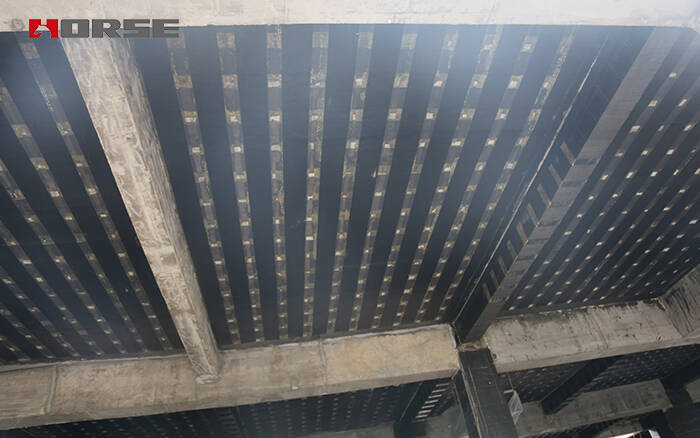

reinforced concrete with unidirectional carbon fiber


Carbon fiber reinforced steel structure


The commonly used steel structure reinforcement method is to add welded steel and steel plates. This method will increase the size of the structure to a certain extent, resulting in an increase in the weight of the structure and a change in rigidity, resulting in the redistribution of the internal force of the structure. And in the construction, we must rely on mechanical equipment, especially when working at heights, with certain difficulty and danger. The carbon fiber wrap is used for reinforcement and reinforcement, which can be done manually, and has good corrosion resistance, and there will be no corrosion after steel plate reinforcement.


Carbon fiber reinforced masonry structure


Brick-concrete structure is widely used in my country. Reinforcement and restoration of existing brick-concrete buildings is a hot issue generally concerned by the construction engineering community. The use of carbon fiber wrap to reinforce and repair brick masonry is still in the initial stage of experimental research internationally, and the research on this technology in China is still blank. Carbon fiber wrap reinforced masonry structure technology has the advantages of not increasing the weight and volume of the components, high strength and efficiency, convenient construction, good corrosion resistance and durability, and wide application range, and has broad application prospects.


Carbon fiber wrap is a very effective reinforcement method for enhancing the seismic resistance of brick masonry structures. The cracking load (limit load) of the carbon fiber reinforced wall is significantly higher than that of the unreinforced wall.


When carbon fiber wrap is used to reinforce brick walls, the larger the width of the wrap, the more obvious the reinforcement effect. The carbon fiber wrap improves the stress state in the wall through the tension bar mechanism in the truss model, thereby improving the shear capacity of the member. In addition, by restricting the development of cracks in the wall, the crack resistance of the component is also improved. Carbon fiber wrap is used to reinforce the brick masonry structure, and the reinforcement at both ends of the fiber wrap is very important. Because when the bond between the fiber wrap and the masonry breaks, the energy is suddenly released and severe brittle failure occurs, so ductile anchoring at both ends of the carbon fiber wrap is required. Carbon fiber wrap can be used not only to reinforce and repair the existing brick-concrete structure, but also to reinforce concrete small hollow block walls.


Carbon fiber reinforced masonry structure


Conclusion


Carbon fiber wrap has good performance in the reinforcement and repair of various structures, and has good durability. It can solve the reinforcement and repair problems of many special projects and has great application potential. Although the cost is high at this stage, with the further research on the performance and construction technology of carbon fiber wrap, and the development of production technology, the carbon fiber wrap reinforcement and repair technology will be more and more widely used.
Tuesday, May 19, 2020

carbon-fiber-is-an-effective-seismic-reinforcement-material


Carbon fiber is the mainstream seismic reinforcement material in the world.


But do you know why carbon fiber can be used for seismic reinforcement?


Let's do a little experiment.


Usually when we eat food in plastic packaging bags, there will be a small mouth on the side. It is especially easy to tear the packaging bag when it is torn from this mouth.


Concrete is a brittle material. If there are cracks in the concrete wall, it is easy to cause the entire wall or floor to crack. So in the event of an earthquake, if there is a crack, it will be fatal to the whole building.


Therefore, carbon fiber will be used for seismic reinforcement.


The carbon fiber contains a large number of carbon fiber bundles, and is a ductile material. If an earthquake occurs, hard steel or concrete will be damaged. However, there is carbon fiber cloth attached to the wall. The wall will not be broken directly, but will be linked by carbon fiber. The entire structure is connected as a whole to absorb the force released by the earthquake. Even if the deformation is large, the floor or wall will not collapse or fall directly, and it will win time for people to survive.


The carbon fiber has many excellent properties, the weight is very low, significantly reducing the load and saving materials. And the anti-corrosion performance is outstanding, the durability is far beyond the level of the steel structure, and it is a rare material for seismic reinforcement. Can greatly improve building safety and save costs.

Prestressed carbon plate reinforcement vs carbon fiber

Compared with the traditional reinforcement technology, carbon fiber cloth reinforcement and prestressed carbon plate reinforcement technology have many significant advantages. The most notable feature is that it reduces the difficulty of construction and guarantees the construction effect.


Carbon Fiber

Carbon fiber reinforcement technology is a new type of reinforcement technology that is reinforced by carbon fiber cloth to improve the stress state of components and limit the occurrence and development of cracks.

When carbon fiber cloth first entered China, many people felt it looked like a "magic cloth", looking thin, but full of energy. Take Horse carbon fiber cloth as an example. Can you imagine that it only has 23% of the weight of steel, but can exert a strength of up to 4300 MPa?

carbon fiber cloth for reinforcement


Carbon fiber's characteristics
1.Light self-weight, can operate in a narrow and small space, not affect the normal use of the houses in the construction;
2.High strength, can be used in bending, closed hoop and shear reinforcement flexibly;
3.Has the flexibility, can wrap components with complex shape;
4.Suitable for surface of various components (beams, columns, ventilation tube, pipe, wall);
5.Anti-acid alkali and other chemical corrosion and rugged environments (have no environmental pollution in themselves);
6.Long storage life, allow long operational deadline;
7.High strength, high modulus;
8.Can be the substrates of concrete, masonry structure, wood structure, and many other structures;
9.High temperature resistance, creep resistance under permanent load, corrosion resistance and good seismic resistance performance


Prestressed Carbon Plate

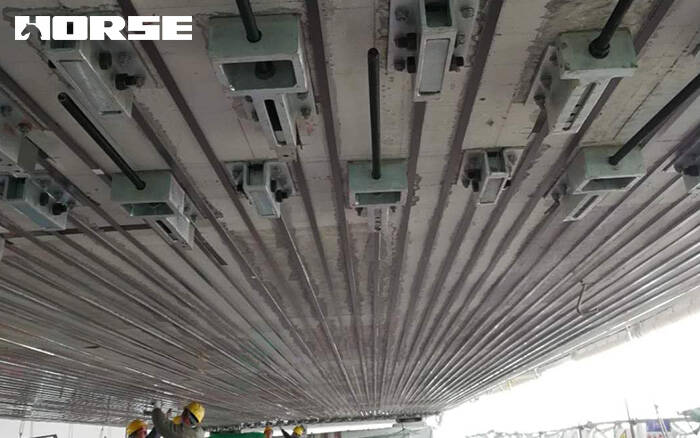
For the reinforcement of large-span beam-slab members, although the construction cost of carbon fiber cloth is low, it is actually a passive reinforcement, and the problem of stress lag will occur. 

The prestressed carbon fiber plate reinforcement technology overcomes this problem. It can improve the bending stiffness of the flexural member, reduce the deflection of the original member, limit the development of structural cracks, and solve the contradiction between the carbon fiber strength and the elastic modulus ratio is too high. Horse's prestressed carbon fiber plate has a tensile strength more than 10-15 times that of ordinary steel, and it performs well in major bridge reinforcement projects. Has been successfully used in Chile, India, Thailand, Malaysia, Indonesia and other markets.

Prestressed Carbon Plate

Prestressed carbon plate characteristics
1.High strength carbon fiber plate, increase loading tremendously
2.Achieve high strength of carbon fiber by prestress
3.Active loading by prestress, no train lagging
4.Achieve Reverse bending moment, offset part of loading, increase stiffness, reduce distortion and deflection of members.
5.Reduce cracks, avoid and stop cracking.

Thursday, May 7, 2020

FRP composite strengthening

FRP reinforcement systems apply fiber fabrics to the surfaces of buildings, bridges, and other structural members to improve structural performance. After installation, the fiber reinforced system will provide excellent long-term physical and mechanical properties.

frp strengthening

CARBON FIBER is a dry fabric made of very high strength aviation grade carbon fiber.

feature
High strength to weight ratio
Excellent creep resistance and fatigue resistance
Extremely durable
Low aesthetic impact

benefit
Increase strength without increasing static load
Withstand continuous and periodic load conditions
Extremely resistant to various environmental conditions
Easy to hide

Where to use
Improve the bearing capacity of concrete beams, slabs, walls and columns;
Improve the seismic resistance of concrete columns;
Improve the seismic response of concrete beam-column connections, shear walls and heat collecting elements;
Improve the seismic performance of masonry shear walls and infill walls;
Restore the structural capacity of damaged or deteriorated concrete structures;
Increase the strength of concrete pipes, silos, tank chimneys and tunnels

GLASS FIBER is a dry fabric made of high-quality electronic glass fiber.

feature
High strength to weight ratio
Low aesthetic impact

benefit
Increase strength without increasing static load
Easy to hide

Where to use
Improve the seismic resistance of concrete columns;
Improve the seismic response of concrete beam-column connections, shear walls and heat collecting elements;
Improve seismic performance of masonry shear walls and infill walls

ARAMID FIBER is a dry fiber fabric composed of aramid fibers.

feature
High strength to weight ratio
High toughness
Non-corrosive
Non-conductive
Low aesthetic impact

benefit
Increase strength without increasing static load
Resistant to high shock and short-term load conditions
Will not cause galvanic corrosion
No impact on sensitive electrical equipment area
Easy to hide

Where to use
Increase the strength of concrete and masonry that are subjected to explosive loads;
Increased resistance to impact and excessive wear;
All reinforcement applications are in sensitive electrical environments where carbon fiber cannot be used due to electrical conductivity.

Monday, April 20, 2020

Structrual strengthening fabric

Fiber Reinforced Polymer (FRP) Fabrics

Fabric reinforcement system, also known as carbon fiber reinforced polymer (CFRP) system, consists of woven or stitched unidirectional carbon fibers and impregnated resin. This unique combination makes it a versatile material that can be used in many applications. Including restrictions, shear and seismic upgrades and reinforcement of weak concrete, masonry, natural stone and wood structures.

Horse FRP structural reinforcement system has many advantages

Long-term performance in different applications and environments.
Reinforce irregularly shaped structures and substrates.
Installation is extremely flexible and easy, ensuring minimum downtime.


Typical structural application of carbon fiber reinforcement

Confinement
For structural members under compression
Enhanced carrying capacity or ductility
Multi-layer applications are possible

Enhanced shear
Non-rectangular cross-section is possible
Use anchor

Seismic reinforcement
For passive reinforcement solutions
Used as a substitute for textile reinforced mortar

Weak matrix reinforcement
Used to strengthen masonry, natural stone walls and other structures
Flexural reinforcement of weak concrete members or structures

View the installation video of carbon fiber reinforcement


Thursday, April 16, 2020

Advanced FRP composite reinforcement

Advanced frp composite

Because the epidemic of new coronary pneumonia has never ended, Horse Construction has no way to conduct offline exchange seminars. After a series of discussions, it was decided to start an online seminar on carbon fiber reinforced materials.

Our Dr. Tan mainly conducts seminars and answers to clients.

In the webinar, we are very happy to participate in the Q & A session. These are the classic question-and-answer sets of the online conference.

1.
Q: Improve the beam's bending and shear resistance?
A: If using FRP composite to increase the flexural strength, it is recommended to check the shear force of the component. U-shaped packaging can be used to provide beam shear reinforcement

2.
Q: When considering the use of FRP, is it necessary to conduct "pre-inspection" and maintainability inspection (deflection, vibration, etc.)?
A: Once you have designed a preliminary reinforcement solution, you can check it. Contains some maintainability checks on concrete, steel and FRP.

3.
Q: Are these strengthening limits only gravity loads? What about seismic load combinations?
A: Yes, the reinforcement limit applies only to gravity loads. Earthquake loads do not require an existing bearing capacity check, because FRP is highly unlikely to be damaged in a lateral event.

4.
Q: Do any of your seminars cover FRP and seismic applications?
A: Yes, both offline and online seminars will talk about these